
SEPTIC SYSTEM MAINTENANCE
Supported maintenance and repair-related field work for existing septic systems across Southern Oregon, confirmed from the system, property, and requested scope.
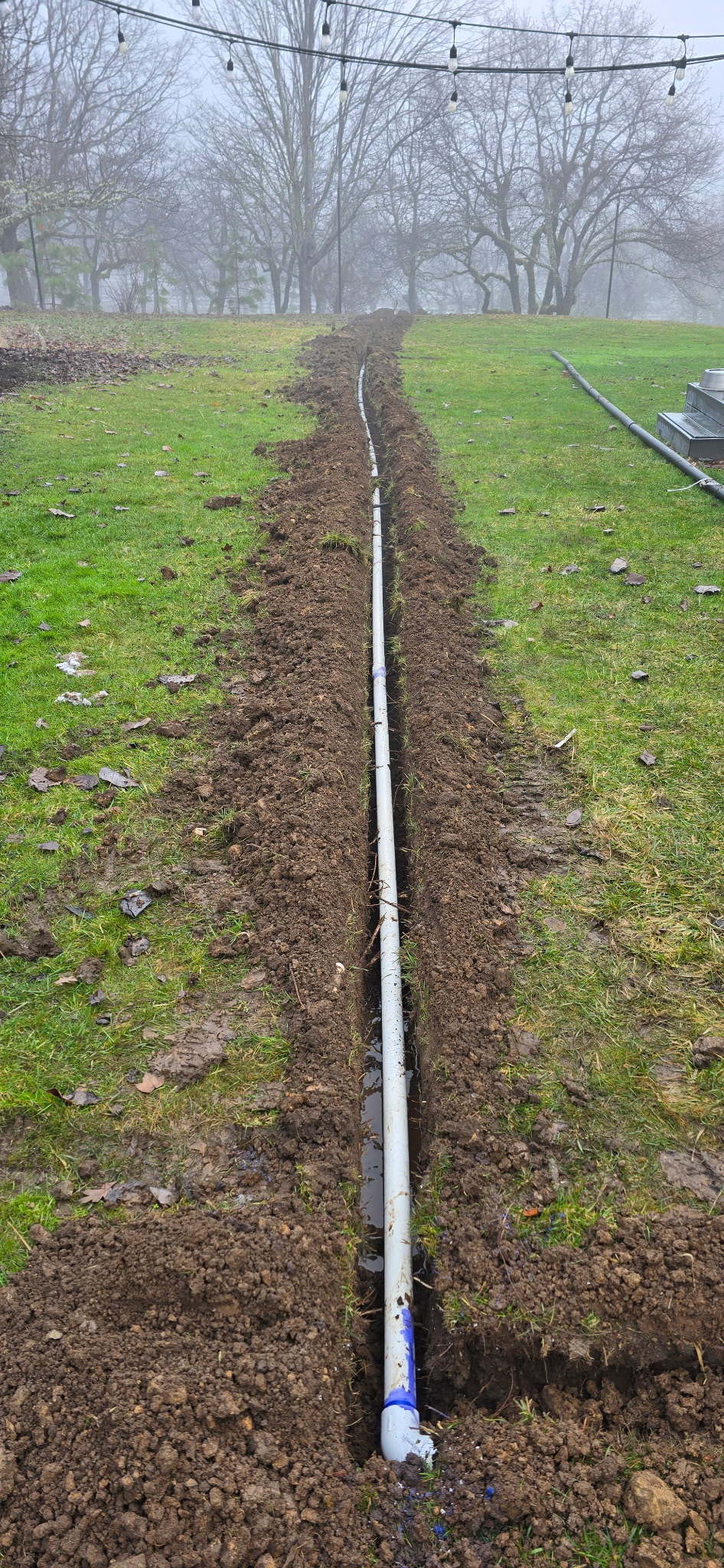
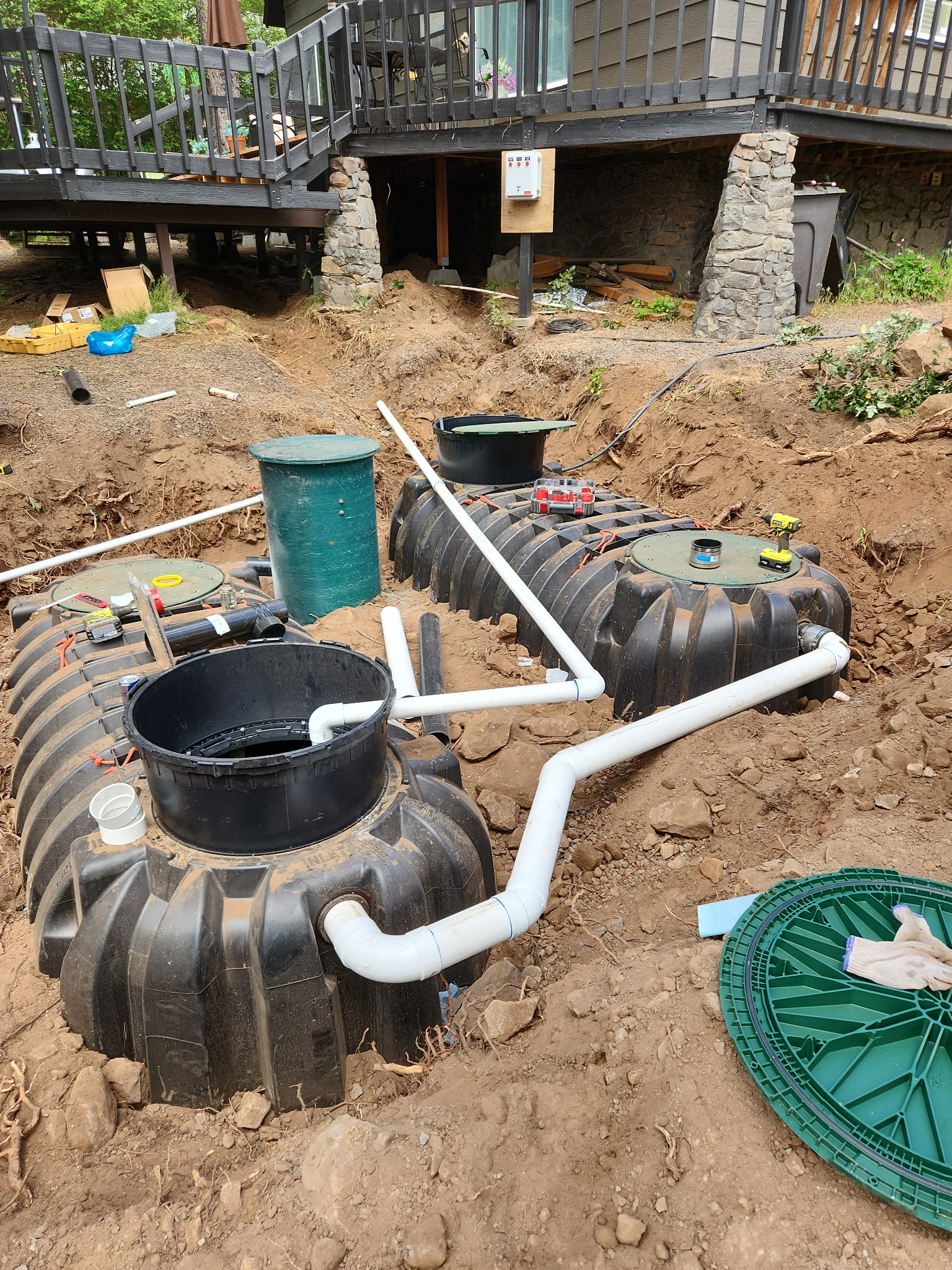
START WITH THE SYSTEM AND THE SPECIFIC NEED.
Bear Valley is an OEM maintenance provider for the state of Oregon. For an existing septic system, the next step is to match its maintenance requirements with the work your property needs.
Share the system type, manufacturer information, available service records, and any concerns you have noticed. The team will confirm the maintenance tasks, access requirements, and scope it can provide before work is scheduled.
A fit for your project.
Owners with system records
Properties with known equipment, service requirements, or documented maintenance needs.
Known component concerns
Requests involving an identified line, tank, component, or related excavation need.
Projects needing site access
Maintenance work that may require careful trenching, access, backfill, or restoration.
The work. The result. The boundaries.
Your proposal identifies the maintenance work, any related excavation or repairs, and the limits of the agreed scope. Ask the team about your specific system and service requirement so you know what is included before scheduling.
Supported field maintenance
Complete the specific maintenance work accepted in the proposal.
Repair-related sitework
Expose, access, repair around, backfill, or restore areas included in the scope.
Clear next-step information
Explain whether the request fits current capabilities before a project commitment is made.
SCOPE CONFIRMED FROM THE INSTALLED SYSTEM
Exact maintenance tasks depend on the system and documentation available.
- System information review — Review available records, component information, and the requested work.
- Access excavation — Careful trenching or component access when required by the agreed maintenance scope.
- Supported component work — Maintenance or repair-related work Bear Valley confirms it is equipped to perform.
- Backfill + restoration — Restore excavated areas to the level defined in the proposal.
- Related repair planning — Coordinate a repair or replacement path when the confirmed need extends beyond maintenance.
- Project documentation — Record the agreed scope and any client-provided system information used for planning.
From first details to field work.
DESCRIBE THE NEED
Provide the property, known system information and records, requested maintenance, and any alarms, visible damage, or drainage changes you have noticed.
CONFIRM SERVICE FIT
The team determines whether the task falls within supported maintenance, repair, or excavation work.
DEFINE THE SCOPE
The proposal identifies access, field work, components, restoration, assumptions, and exclusions.
PERFORM AGREED WORK
Crews complete the accepted maintenance or repair-related field scope.
What shapes your estimate.
Available information
Records and known component details reduce uncertainty before field work.
Access conditions
Depth, lids, landscaping, utilities, slope, and equipment access affect effort.
Parts + connected work
Component availability, repair scope, excavation, backfill, and restoration influence timing.
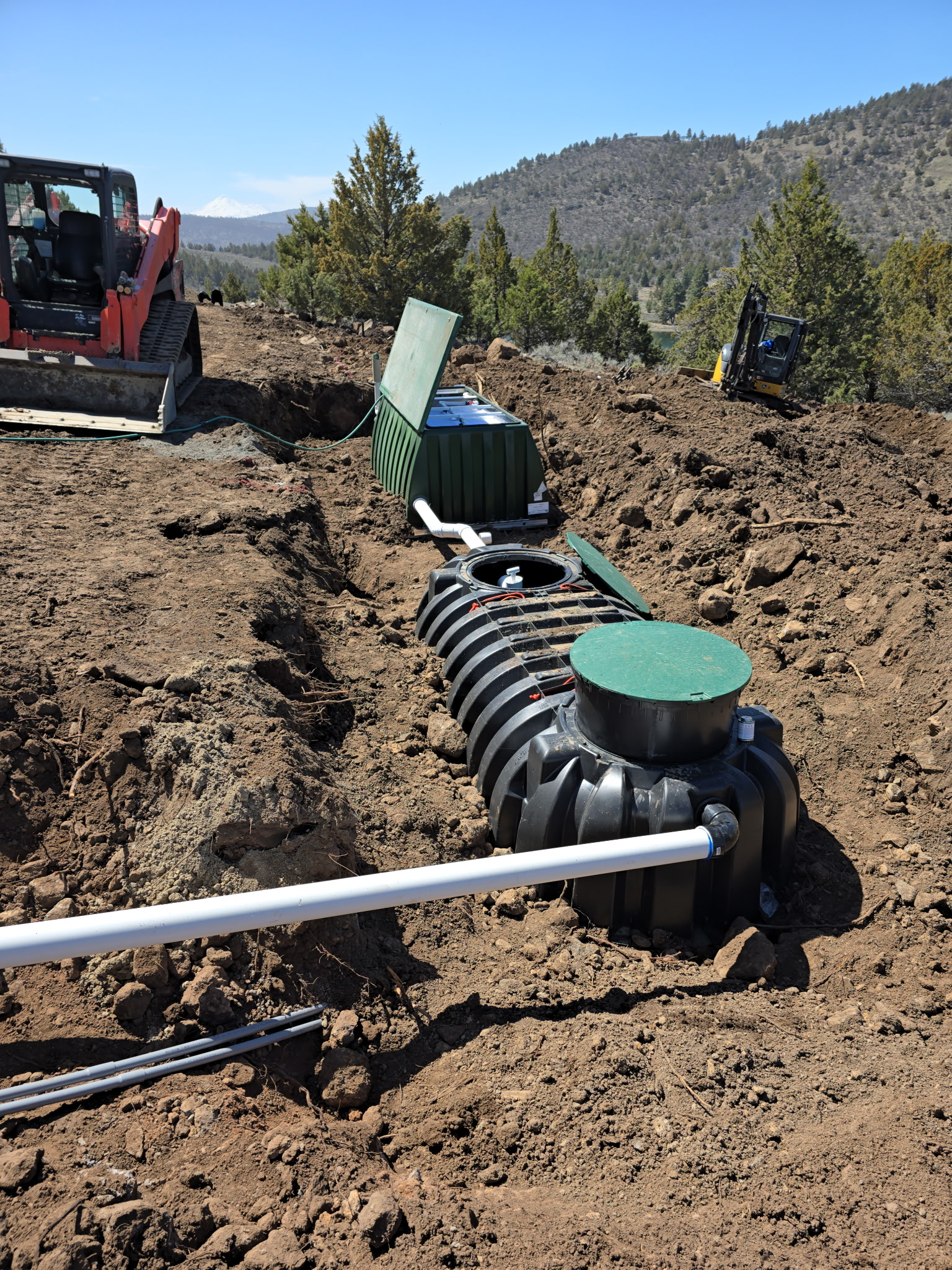
The system and the ground around it.
Connected services and places.
Planning connected work on the property? Explore Bear Valley’s construction and site services, or start with the septic installation and repair information below.
Septic Systems
Review installation, tank replacement, repairs, ATT work, and test holes. Explore septic systems →
Excavation
Coordinate access, trenching, backfill, and grading around the system.
General Contracting
Connect septic work with a larger property project.
Four counties. One practical starting point.
Jackson · Josephine · Klamath · Curry
Availability is confirmed for the service, property, access, season, and schedule.
Before work begins.
A few practical answers to help you plan.
Do you provide routine septic pumping?
Routine pumping is not listed as a Bear Valley service.
Do you perform real-estate septic inspections?
Formal real-estate inspections are outside this service.
What maintenance work is available?
Availability depends on the installed system, exact task, records, access, location, and current capabilities.
What information should I send?
Provide the system type if known, records, component details, observed issue or maintenance requirement, property location, and photos if useful.
Tell us what the property needs.
Share the location, the work you need, and your timing.